
Guide
How Much Car Insurance Goes Up After a Speeding Ticket
Typical premium increases after a speeding ticket by speed over the limit, why some tickets cause no increase, and how insurers differ.

By Brandon Lee · Editor
Published · Updated
Answer in brief
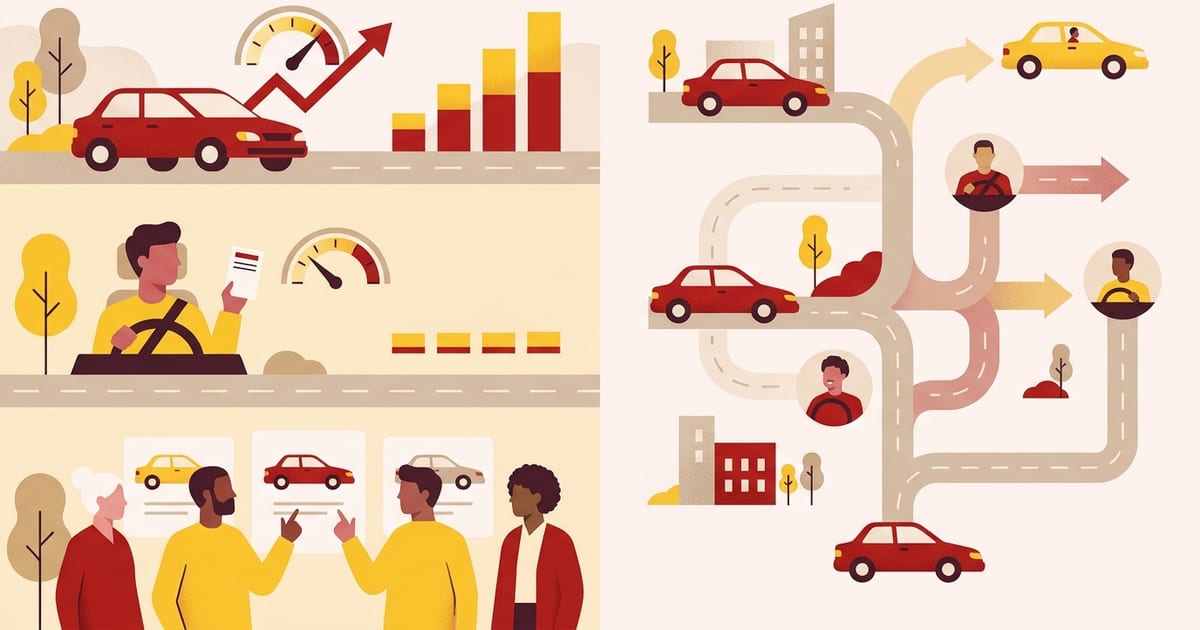
A single speeding ticket typically raises car insurance 15–25% at the next renewal—about $250–$500 a year on an average policy. The increase scales with speed over the limit: 1–10 mph over often adds little or nothing, 11–20 mph adds 15–25%, and 25+ mph over or reckless-level speeds can add 50–100% or trigger non-renewal. Many insurers ignore a first minor ticket if your record is otherwise clean. The surcharge lasts three years with most insurers.
| Ticket | Typical increase | Annual dollars |
|---|---|---|
| 1–10 mph over | 0–10% | $0–$200 |
| 11–15 mph over | 10–20% | $200–$400 |
| 16–20 mph over | 15–25% | $300–$500 |
| 21–25 mph over | 20–35% | $400–$700 |
| 25+ mph over / reckless-level | 50–100%+ | $1,000+; non-renewal possible |
| Speeding in a school or work zone | Often rated a tier higher | Varies |
Why some tickets cost nothing
Many insurers apply a surcharge only after the first minor violation in three years, or only for tickets above a speed threshold. Others surcharge every conviction. Your state's point system also matters—some insurers rate on points rather than the specific offence.
When it appears
The insurer sees the conviction, not the citation. If you pay the ticket, that is a conviction, and it appears on your driving record within weeks. The surcharge applies at the first renewal after the insurer pulls your record—usually the next one, occasionally the one after.
Entries in this guide
Specific questions answered in more depth.
Questions & answers
How much does a speeding ticket raise insurance?
Typically 15–25% for a moderate ticket; little or nothing for a first minor one with some insurers.
Does 10 over affect insurance?
Often minimally—many insurers treat 1–10 mph over as a minor violation and may not surcharge a first offence.
When will my rate go up?
At the first renewal after the conviction appears on your record.
Terms used in this guide
- Moving violation
- An offence committed while the vehicle is in motion—speeding, running a light, improper lane change. Rated by insurers.
- Surcharge
- A rate increase applied for a violation or accident, usually for three years.
- Minor violation
- Insurer category for lower-speed tickets and similar offences; a first one is often not surcharged.
- Major violation
- Reckless driving, very high speeds, DUI, driving while suspended; surcharged heavily, often five years.
Sources and references
Legal figures on this page (minimum limits, filing periods, statutory benefits) are checked against the primary law or the state insurance regulator listed below. Links and figures last verified Nov 2026.
- Speed — Insurance Institute for Highway SafetyIndependent researchHow speed raises crash likelihood and severity; speed-limit and enforcement research.
- Trends and Insights: Auto insurance rates (June 2024) — Insurance Information Institute (2024)Independent researchWhy premiums rose 2021–2024: crash frequency and severity, repair and labour inflation, vehicle technology, attorney involvement.
- 2019–2023 Auto Insurance Database: average premium supplement — National Association of Insurance Commissioners (2025)Statistical dataCountrywide average expenditure $1,281 in 2023 (+13.98%); combined average premium $1,438; state tables for liability, collision and comprehensive.
- Facts + Statistics: Auto insurance — Insurance Information Institute (2025)Statistical dataNAIC countrywide average auto expenditure: $1,127 (2022), $1,282 (2023); most expensive states in 2023 were Florida, Louisiana and New York.
- What determines the price of an auto insurance policy? — Insurance Information InstituteConsumer guidanceRating factors: driving record, mileage, location, age, gender, vehicle, credit-based insurance score, coverage choices. Notes ZIP-code rating is prohibited in California and Michigan and gender rating is prohibited in seven states.
- Consumer insurance information — National Association of Insurance CommissionersConsumer guidancePlain-language guides from the body of state insurance regulators; links to every state's insurance department and complaint process.
Practical guidance on this page is original editorial work. Cited sources support factual statements and do not endorse this site. Dollar ranges described as typical or illustrative are editorial estimates, not figures from these sources.
Guide
How Long a Speeding Ticket Affects Insurance
The three-year insurance lookback, how it differs from the state's record and points periods, and when a ticket stops affecting your premium.
Guide
Your First Speeding Ticket and Insurance
What to expect after a first speeding ticket—whether insurers surcharge it, what to do before paying, traffic school, and how to minimise the effect.
Guide
How to Compare Car Insurance Quotes After a Speeding Ticket
A method for comparing quotes with a ticket on your record: fix coverage, disclose accurately, quote widely, use discounts, and time the re-shop.