
Guide
Multiple Speeding Tickets and Insurance
What happens to premiums with two, three or more tickets in three years—surcharge stacking, licence risk, non-renewal, and the path back.

By Chloe Martin · Staff Writer
Published · Updated
Answer in brief
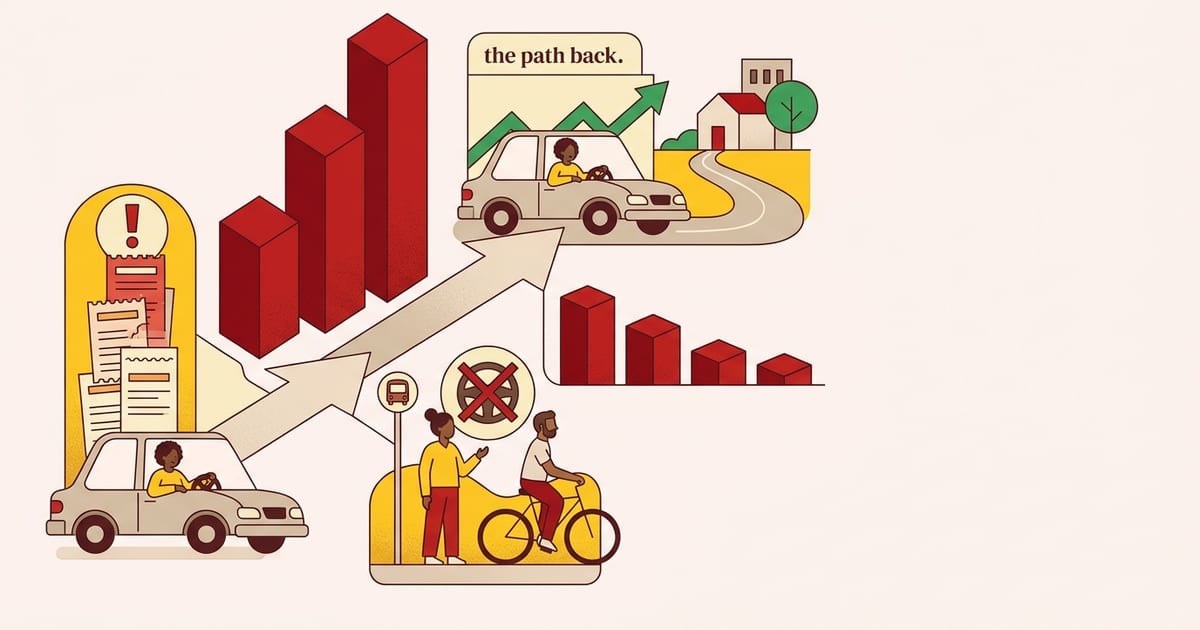
Surcharges stack: two tickets in three years commonly add 40–60%, three or more can double the premium or lead to non-renewal and a move to non-standard insurers. Multiple tickets also approach state suspension thresholds. Priority order: protect the licence (traffic school if eligible, contest where realistic), then compare widely—including non-standard insurers—then rebuild: telematics, clean driving, re-shop as each ticket ages out of the three-year window.
| Record (3 years) | Typical premium | Insurer response |
|---|---|---|
| One minor ticket | $2,000–$2,400 | Standard market |
| Two tickets | $2,800–$3,200 | Standard, higher tier |
| Three tickets | $3,500–$4,500 | Non-renewal risk; non-standard |
| Three tickets + accident | $4,500+ | Non-standard |
Why the third ticket is the cliff
Most standard insurers' eligibility rules cap violations at two or three in three years. Beyond that, they non-renew and the driver moves to the non-standard market, where base rates are higher before any surcharge.
The path back
- Stop the pattern—speed is the only variable you control.
- Enrol in telematics to generate clean data.
- Calendar each conviction's three-year anniversary.
- Re-shop at each one; standard insurers return when you are down to two, then one.
Quote finder
Find auto insurance quotes that fit your situation
Questions & answers
How much does insurance go up with two speeding tickets?
Commonly 40–60% combined.
Can my insurer drop me for speeding tickets?
At renewal, yes—typically at three or more violations in three years.
How do I get back to normal rates?
Clean driving, telematics, and re-shopping as each ticket ages past three years.
Terms used in this guide
- Surcharge
- A rate increase applied for a violation or accident, usually for three years.
- Non-standard insurer
- An insurer that writes drivers with multiple violations or accidents.
- Non-renewal
- The insurer declining to offer a new term; common at three or more violations.
- Telematics
- App or device-based pricing on actual driving; can offset a record.
Sources and references
Legal figures on this page (minimum limits, filing periods, statutory benefits) are checked against the primary law or the state insurance regulator listed below. Links and figures last verified Nov 2026.
- Speed — Insurance Institute for Highway SafetyIndependent researchHow speed raises crash likelihood and severity; speed-limit and enforcement research.
- What determines the price of an auto insurance policy? — Insurance Information InstituteConsumer guidanceRating factors: driving record, mileage, location, age, gender, vehicle, credit-based insurance score, coverage choices. Notes ZIP-code rating is prohibited in California and Michigan and gender rating is prohibited in seven states.
- Consumer insurance information — National Association of Insurance CommissionersConsumer guidancePlain-language guides from the body of state insurance regulators; links to every state's insurance department and complaint process.
- What if I can't find auto coverage? — Insurance Information InstituteConsumer guidanceHow the non-standard market and state assigned-risk plans insure drivers the voluntary market declines.
- Is it legal to drive without insurance? — Insurance Information InstituteConsumer guidanceEvery state requires drivers to demonstrate financial responsibility; in most states insurance is the mandatory way to do so.
Practical guidance on this page is original editorial work. Cited sources support factual statements and do not endorse this site. Dollar ranges described as typical or illustrative are editorial estimates, not figures from these sources.
Guide
Driver's Licence Points and Your Insurance
How state point systems work, how insurers use (or ignore) points, the difference between state points and insurer points, and point-reduction options.
Guide
How Long a Speeding Ticket Affects Insurance
The three-year insurance lookback, how it differs from the state's record and points periods, and when a ticket stops affecting your premium.
Guide
How to Compare Car Insurance Quotes After a Speeding Ticket
A method for comparing quotes with a ticket on your record: fix coverage, disclose accurately, quote widely, use discounts, and time the re-shop.